
Physical Cryptocurrency
From the Otoh Collection of Physical Cryptocurrency
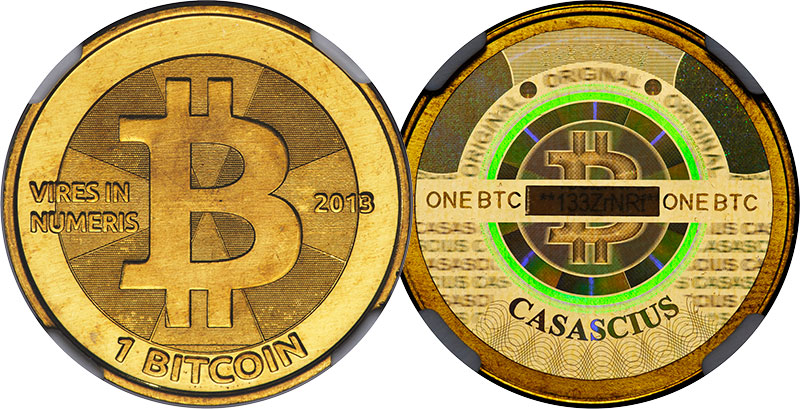
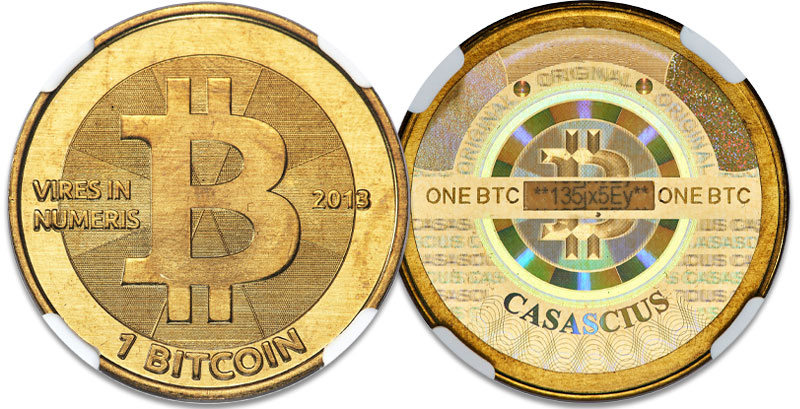
Casascius brass Loaded (Unredeemed) 1 Bitcoin (BTC) 2013 MS67 NGC, Ahonen-pg 94. Total Issued: 8,352. Series 2. Type PF. 28.5mm. Firstbits 133ZrNRf. A compelling amalgamation of numismatics and digital novelty, this piece displays a complex, raised design against glowing metal tones, personifying the progressive mentality inherent in today's cryptocurrency realm.
The Purpose of Currency
The history of currency - commonly referred to as 'money' - can be traced back more than 4,000 years.
Indeed, the chronicle of currency, including its various forms of money substitutes, spans millennia, each chapter embodying an episode of human evolution in varied societies. From the earliest forms of commodity currencies such as cattle, grain, and shells, our ancestors understood the necessity of a standardized medium of exchange to facilitate and enhance trade. Regardless of its form through the ages, the quintessential attribute of 'money' lies in its broad acceptance for transactions -- from trading of goods and services to debt settlements -- by individuals, communities, and institutions alike.
Secondly, money must function as a standard of value or unit of account. In an economic context, every item has a price, which is denoted in terms of money. This allows individuals and organizations to compare the relative cost of different goods, services, and resources. Without this ability, the economic system as we know it would falter. The absence of relative cost comparison would impede market equilibrium, disrupt price mechanisms, and create anomalies in supply and demand. Companies wouldn't know how to price their goods and services accurately, and consumers wouldn't know whether they are getting a fair deal. As a founding pillar of a functioning economy, relative cost comparison is a conduit through which informed purchasing decisions are made.
A third attribute of money is its role as a store of value. This means that money can be saved and retrieved in the future, and its worth will remain relatively stable over time. This attribute presupposes a low rate of inflation; if prices rise dramatically, the purchasing power of money erodes, undermining its usefulness as a store of value.
Lastly, the ideal medium of exchange should possess certain physical characteristics: it must be durable, portable, divisible, and difficult to counterfeit to ensure its functionality and integrity.
These characteristics come together to form what we basically recognize as money in our economic systems and society. Therefore, studying these aspects can help us gain a clearer understanding of the multifaceted concept we know as 'money'.
Issuing Authority as Guarantor
The issuing authority -- typically a central bank or a government -- bears significant influence in orchestrating the dynamics of currency within an economy. This was historically true for minted coins and is definitively true for today's fiat currency system. The authority exercises its paramount role through rigorous control over the supply of money, dictated by monetary policies reflecting the nation's economic objectives such as maintaining inflation, controlling interest rates, or ensuring employment rates.
The control exercised by the issuing authority secures the three fundamental attributes of currency: its functions as a medium of exchange, a unit of account, and a store of value.
Throughout antiquity and into the evolution of modern mintage, a stunning array of symbols, images, and inscriptions has been employed on gold and silver coins to guarantee their authenticity and foster trust in their inherent value. Such features weren't just aesthetic choices--they were also technical assurances of a coin's legitimacy and value.
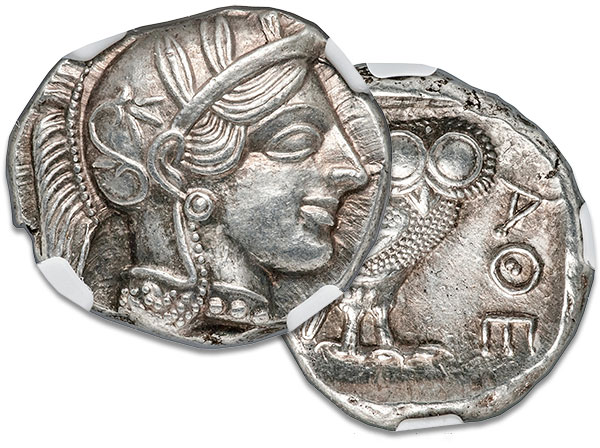
In ancient civilizations, coinage often bore the image of a revered deity or distinguished monarch. The presence of these divine or monarchical visages was more than mere tribute--it was a tacit certification of the coin's content and value. For instance, ancient Greek tetradrachms bore the head of Athena and the emblem of an owl, symbols associated with the patroness of the city-state of Athens. Later, under the reign of Alexander the Great, his image portrayed as Hercules coalesced his authority and guaranteed the silver content of his coins.
Other vital components of coins were their weight and metal content. Mintage involved precise and highly guarded processes to ensure uniform weight across coins of the same denomination, lending additional credibility. In the famed Romans' denarii, for instance, a specific weight of silver was maintained for centuries--an assurance of legitimacy to its holders.
Alongside, ancient empires also used intricate minting techniques to discourage counterfeiting. The use of milled and lettered edges, striations, or raised elements on the coin surface are some early anti-random forgery measures. Such features, complex for the times, were hard to imitate accurately and hence safeguarded the coin's authenticity.
Therefore, symbols, technical specifications, and advanced production techniques harmonized to ensure the authenticity of early gold and silver coins. To hold such a coin was not merely to possess a piece of precious metal--it was to hold a piece of assured value, underwritten by the reigning authority and embodied in every intricate detail etched onto its surfaces.
Trust in Authority Betrayed
Throughout history, gold and silver coins have played a central role in the exchange of goods, the accumulation of wealth, and the shaping of economies. Gold coins became a symbol of wealth and power, coveted not only for their inherent golden lustre, but also for their unwavering testament to economic security, practicality for large-scale transactions, and for stowing away wealth. For instance, during the Middle Ages, it was primarily the feudal lords, senior clergy, prosperous traders, and the nobility who hoarded and used gold coins like the famed Florentine Florin or Venetian Ducat.
However, the rarity and high value of gold coins often made them less practical for everyday transactions among the less wealthy or common folk. Rather, they traded with lesser valuable coinage, such as silver coins. Similar to gold, silver provided a tangible medium of exchange that carried intrinsic value.
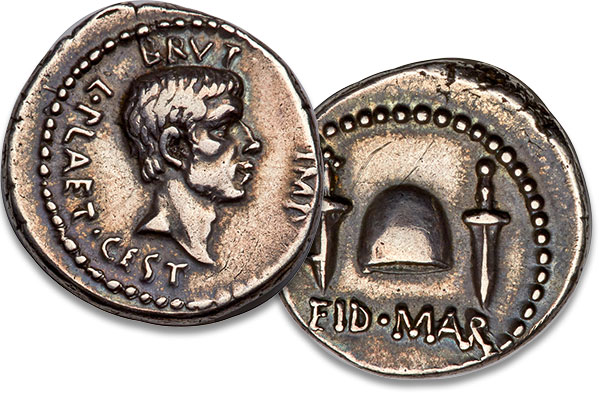
The charm and utility of these coins, however, were not always safeguarded. An economic practice known as "debasement" often cast a shadow over their virtue. Debasement is the process where the purity of a coin is intentionally reduced by the authorities who mint them. Historically, emperors, kings, and governments have replaced gold or silver content in coins with less valuable metals, such as copper or nickel, to stretch their wealth, pay debts, finance wars, or respond to economic crises.
While debasement may have been a short-term solution to fiscal predicaments, it came with long-term costs. Notably, it often led to inflation, as more and more debased coins were required to purchase the same goods or services. The Roman Empire, for instance, suffered significant economic turmoil due to rampant coinage debasement. As the silver content in the denarius reduced from nearly 100% under Emperor Augustus to less than 0.02% by the end of the 3rd century, Rome witnessed a prolonged period of hyperinflation and economic instability.
Rhyming with the Roman Empire's painful demise, the Weimar hyperinflation of the early 1920s, precipitated by Germany's effort to settle insurmountable World War I reparations through extensive banknote production, led to a devastating decline in the Reichsmark's purchasing power. The resultant price escalation swiftly turned into an economic tailspin, with basic commodities demanding exorbitant sums and decimating the life savings of German citizens. An enduring economic cautionary tale, it underscores the perilous potential of unchecked monetary expansion and the necessity for maintaining a balanced equilibrium between currency supply and its inherent value.
Numismatics - Exploring History Through the Prism of Currency
Numismatics then, in its broadest sense, encompasses the study and collection of currency, including coins, tokens, paper money, and related objects. This expansive field reaches into numerous disciplines, uniting art, history, archaeology, economics, and even metallurgy in the quest to understand the story each item narrates.
Avid Ancients coin collectors may covet coins from the civilizations of Lydia, often credited with minting the first coins in the 7th century BCE. Note enthusiasts can trace beautiful specimens of paper money issued by the Song Dynasty in 11th-century China, marking one of the first uses of banknotes. Coming closer to modern times, from the momentous shift of the Middle Ages' hammered coinage--where each coin, struck between hand-engraved dies, bore the imprint of its own creation--to the machine-made uniformity of the modern era's milled coins, we witness the evolution of monetary symbolism and technology.
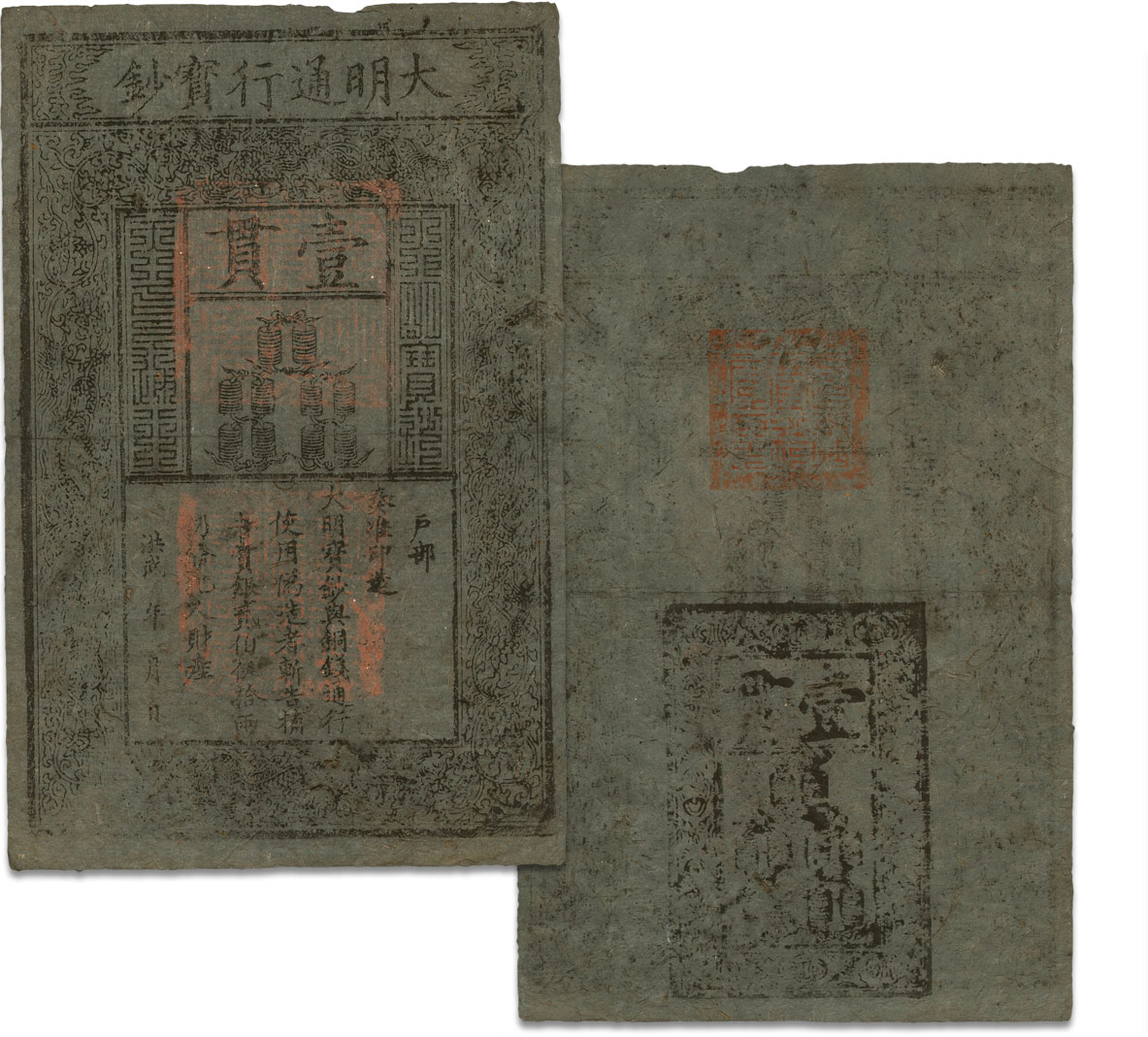
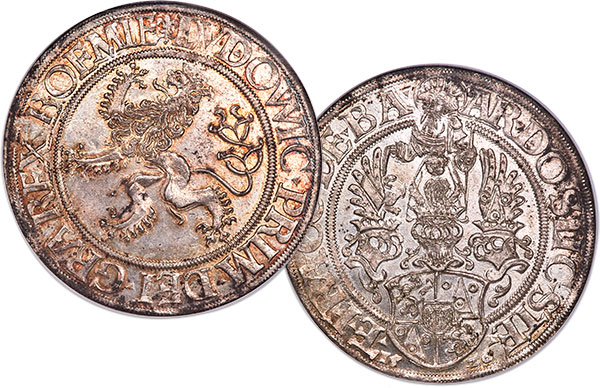
In fact, numismatics is often referred to as the "Hobby of Kings," a testament to its historical significance and the exquisite calibre of its allure. A pursuit favoured by monarchs throughout history, this study and collection of currencies, in all their varied forms, is steeped in narrative depth and significance, treasury of information about politics, economy, culture, and history unveiled through carefully crafted symbols minted on each piece. This regal epithet emphasises not only the noble pedigree of this hobby, but also reflects the grandeur and profound insights it imparts to its enthusiasts--individuals of all backgrounds who share a passion for uncovering the world's monetary stories.
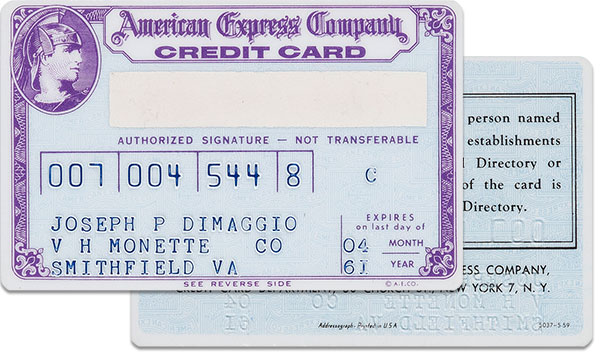
As we leap into the digital age, it begs the question: does numismatics still have a role? Representations of electronic forms of currency like credit and debit cards signify the momentous shift from physical to intangible forms of 'money'. Cryptocurrencies, such as Bitcoin, represent modern notions of 'wealth', underscoring the global interest in decentralised currency systems. Happily, the answer, as will become apparent, is a resounding yes.
From Physical Cash to Abstract "Bits"
Historically, currency has always been a tactile entity, something we could touch, count, and hoard. This physical manifestation allowed for a certain emotional connection to it, nourishing a sense of security and tangibility. The pleasure of holding a newly minted coin or the rustle of crisp banknotes translates currency from a mere tool of exchange into a tangible asset, something to be possessed and accrued. The inherent 'thingness' anchored money to the realm of the tactile, making it easier for us to perceive and comprehend its value.
Enter the age of digital currencies, where value is dematerialised into units of coded data, or 'bits.' Here, the perception of monetary value takes a radical shift. The abstract concept of data fragments on the internet, on a remote ledger hidden beyond reach in a remote 'cloud', representing substantial financial value feels initially alien. Unlike the traditional cash we can own and feel, these are ethereal, and intangible, yet they hold an indispensable function in modern finance. We trade, invest, and even speculate on these invisible fragments of data, further endorsing their substantive value.
Born from mathematical and technological brilliance and embraced by a global network of passionate enthusiasts, these digital currencies carry their own narratives layered with innovation, speculation, and exploration of new economic frontiers. Unlike tangible currencies and other collectibles, cryptocurrencies are intangible, rooted in complex algorithms and distributed ledger technology, popularly known as 'blockchain'. From the pioneering Bitcoin to an ever-growing myriad of Altcoins, cryptocurrencies are not merely a digital form of exchange; they carry the promise and potential challenges of a decentralised, peer-to-peer economic system that has the potential to redefine traditional concepts of value and transactional exchange. However, much like the realm of numismatics or fine art, their story is continually being written, as the world watches, participates, and ponders over this confluence of technology and finance.
Undeniably, Bitcoin enjoys an eminent position in the expansive landscape and hierarchy of digital currencies. Launched in 2009 by an anonymous person, or group of individuals, known as 'Satoshi Nakamoto', it marked the genesis of decentralized cryptocurrencies. Bitcoin, rather like the once revolutionary concept of the double eagle gold coin, engendered a paradigmatic turn in the financial sphere. Part of Bitcoin's original promise was that one can receive, store, and send bitcoins without intermediaries, offering a degree of monetary sovereignty not available in traditional finance.
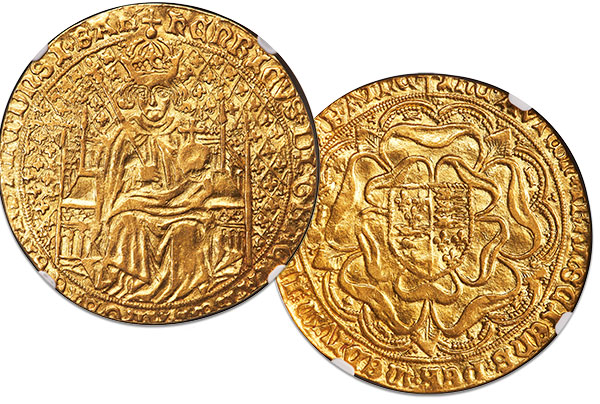
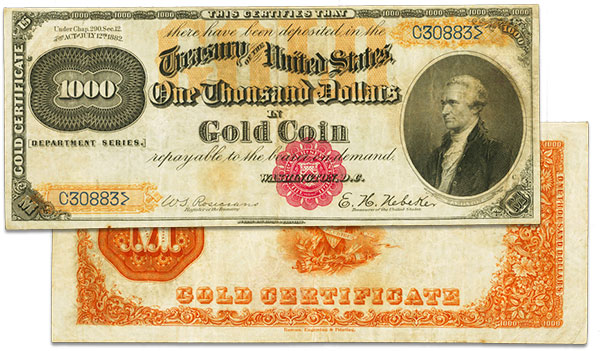
Traditional banking systems and fiat currencies are controlled by central banks and government entities. This control arguably introduces political and economic vulnerabilities, such as the potential for hyperinflation and currency manipulation. Bitcoin, with its decentralized nature and limited supply, is inherently immune to such scenarios. Its underlying blockchain technology, using elaborate autonomously operated cryptographic protocols, ensures that every transaction is transparent, tamper-resistant, and excludes the need for a central authority such as the Federal Reserve . Akin to the rarities and precious metals in the numismatic realm, Bitcoin is ultimately defined by its capped limit--21 million bitcoins--fostering an element of scarcity and incalculable virtual value.
As much as a prized painting gains esteem through its confluence of aesthetic and historical acclaim, Bitcoin's value lies not just in its pioneering status, but also in the way it has come to encapsulate our society's burgeoning attempts to reconstruct and navigate the very essence of economic exchange in the digital age. In a very real sense, this marks an extremely intriguing development in humankind's emotional and psychological relationship with the concept of money. The shift from owning physical pieces of value to trusting in intangible digital assets indicates our evolving understanding and perception of what makes 'money.' Stripped of their physicality, currencies like Bitcoin are testing the limits of our belief in the intangible aspects of 'value'. As we continue navigating these uncharted waters, it's utterly fascinating to witness the reshaping of our relationship with the very concept of financial ownership.
Shaping the Intangible
When the concept of digital currencies was first introduced, it represented a completely virtual form of value. This changed in 2011, when software developer Mike Caldwell of Utah decided to materialize this concept by introducing the first physical representation of Bitcoin - the Casascius Coins. Significantly, Caldwell pioneered the notion of building a crucial link between cryptology's computer wizardry and the physical world, fostering greater understanding and, quite literally, tangibility for the average person. As a materially existent currency, the physical Bitcoin embraces the long-standing norms of coinage, offering a crucial sensory element to the esoteric realm of digital currencies.
The appeal of physical Bitcoin for collectors stems from several straightforward reasons. To begin with, acquiring physical Bitcoins served as a simpler alternative to dealing with the intricacies of online platforms for many new to the cryptocurrency world. These coins also introduced a fresh way of investing and storing money, capitalizing on Bitcoin's promising potential. For early advocates, these physical tokens served as memorabilia, marking their journey during the nascent stages of the Bitcoin movement. Moreover, the sheer pleasure of collecting, along with the variety of such coins, catered to the desires of traditional collectors, marking these coins as unique additions to their portfolio of collectibles.
To Peel or Not to Peel
Reflecting the characteristics of its digital counterpart, funded physical Bitcoins manifest as metallic tokens etched with the initial segment of a public address and a corresponding private key. The public address is visibly displayed on the physical coin or documented on an accompanying certificate , whereas the private key is subtly placed within a recess on the flip side of the coin and remains safeguarded beneath a tamper-evident hologram.
'Peeling' in physical cryptocurrencies refers to uncovering the concealed digital value within these tangible tokens. The unique code inserted in a small 'pit' on the coin represents the digital access key to the bitcoins. With the hologram intact, the owner can be assured that the private key has not been compromised, and therefore, the stored value in Bitcoin remains unredeemed.
While 'peeling' invariably compromises the physical token by rendering it visually defaced and the concealed bitcoins accessible, it serves as the crucial bridge connecting the tactile world of numismatic collectability and the enchanting expanse of virtual, cryptographic wealth. The action is laden with mixed anticipation and pang, as it simultaneously unlocks the digital wealth for redeeming the Bitcoin, yet marks the end of the physical coin's intact aesthetic and resale value.
Casascius Coins - "Call a Spade a Spade"
Mike Caldwell named his venture "Casascius" which might seem strange at first, but once split apart, its meaning becomes clear. It's a portmanteau, or a combination of words, that stands for "Call a Spade a Spade." Its word-play is related to sincerity and taking things at face value, which is a reflection of the nature of blockchain technology, the underlying framework of Bitcoin. By openly recording transactions, blockchain promotes transparency and trust through traceability, echoing the sense of calling a spade a spade, or stating the truth, as is.
This association is particularly fitting for Mike Caldwell's physical Bitcoin project. The Casascius coins sought to offer physical representation; hence a face value, to the otherwise digital and entirely virtual Bitcoin, and this ethos is carried through in the name he chose for them. Casascius Coins quickly became first to offer a tangible link between traditional monetary systems and the burgeoning world of cryptocurrencies, where his coins served a purpose as trailblazing novelty items and conversation starters with the uninitiated.
Caldwell communicated the progress of his coin creations via his personal blog, titled "You asked for change, I gave you coins." - tapping clever multi-layered symbolism.
On one level, it pays homage to the grassroots origins of Bitcoin and the excitement within the cryptocurrency community about its potential to reshape the global financial landscape. The term "change" here references this aspiration for transformation, a departure from conventional banking and financial systems. The "coins," of course, refer to his physical Casascius Bitcoins, representing this transformative potential in a tactile manner.
Furthermore, there's a subtle play on words at hand. In traditional financial parlance, "change" refers to small denominations of currency often given in coins. Caldwell breaks with tradition by offering "coins" that are potentially worth thousands, even millions, of traditional currency units, once again emphasizing the transformative power of Bitcoin. Caldwell's iconic phrase encapsulates the essence of the early cryptocurrency movement's intent - a bold call for a new era in finance, delivering that change in the form of his Casascius coins.
Caldwell ultimately released tens of thousands of coins - it is estimated that nearly 28,000 funded Casascius coins were made between 2011 to 2013, each holding a varying amount of Bitcoin, from 0.1 to 1000 BTC , to the total holding value of over 90,000 BTC . Caldwell also released a large number of non-denominated and unfunded aluminium coins for promotional purposes. The rarest and most valuable of all Casascius coins are the 1,000 BTC coins made of 1 troy ounce of pure gold, one selling for $1,000,000 already in November 2013 - yet with today's Bitcoin value alone, it is worth nearly $30,000,000 (September 2023).
The initial popularity of these physical coins made waves in the emerging digital currency market. Curiously enough, Caldwell apparently never had the desire to generate profit with his physical coins; he considered Casascius a hobby and that his "quirky collectables" aimed at a "fringe audience" would make a funny story someday. As the popularity of his coins propelled higher, more coin formats and improved features, such as elaborately designed holograms were introduced. Many other manufacturers soon followed his inspirational example, but Caldwell has always been considered the father of the physical cryptocurrency phenomenon.
Caldwell's initial success and fame caught the attention of U.S authorities. In 2013, the Financial Crimes Enforcement Network (FinCEN) within the U.S. Treasury Department argued that his operation effectively acted as a money transmitter and as such, fell under the framework of a Money Service Business (MSB). FinCEN's guidance dated 18th March 2013 clarified that the regulations apply to those who create, buy, and sell digital currency. Their reasoning was that physical Bitcoin manufacturers who funded coins effectively transmitted crypto-currency to public addresses, thereby classifying them as 'administrators' in issuing and redeeming digital currencies. Under existing financial regulations, therefore, 'minting' physical representations of a digital currency crossed into the territory of financial services.
Consequently, Caldwell was required to register Casascius as a Money Services Business (MSB) in order to comply with U.S financial laws and to continue his operations. Recognising the enormity of these implications, Caldwell made the strategic decision to halt the production of Casascius coins. The unexpected end of minting resulted in a limited supply of these original physical Bitcoins. As a result, Casascius coins have steadily acquired a certain degree of rarity and allure among cryptocurrency enthusiasts and collectors, contributing to their value in the collectors' market.
The allure of Casascius coins is heightened by the fact that a significant number of these coins - reportedly around 20% - have had their embedded Bitcoin digital value redeemed or 'peeled'. Therefore, the pool of unpeeled, untampered Casascius coins is ever diminishing, augmenting their scarcity. Today, these coins are not only sought-after collectors' items, but they also denote a significant milestone in the history of financial transactions.
About Coin Grading
Coin grading is an intricate practice that evaluates the authenticity, condition, and quality of coins, thereby playing a part in determining their market value. This process ranges from assessing fundamental aspects like wear from circulation and any potential damage to inspecting finer details such as the sharpness of the strike, the patina of the surfaces, and the coin's luster. Over time, professional organizations including Numismatic Guaranty Corporation (NGC) and the Professional Coin Grading Service (PCGS) have developed elaborate numerical grading scales to provide consistent, objective standards for evaluating coins.
The advent of physical cryptocurrency has added a new dimension to this traditional practice. Physical cryptocurrency, often in the form of commemorative tokens or practical storage devices, carry distinctive codes that represent digital Bitcoin assets. Conceptually, the grading process mirrors that of regular coins. However, it calls for additional parameters considering the functional aspect of these coins. Special emphasis is given to the integrity of the embedded code and possible QR codes, the latter allowing the transfer of the Bitcoin to digital wallets. Notwithstanding the innovation they represent, the intrinsic aesthetic value and historical significance of physical cryptocurrency maintain their relevance within the ambit of traditional numismatic evaluation. Therefore, while there are indeed profound similarities, this novel asset class also requires a nuanced appreciation of its unique features when formulating its grading criteria.
Introducing the Otoh Collection
Rounding up to the present day, Heritage Auctions is pleased to present for sale The Otoh Collection , so named after the bitcointalk.org forum username behind this remarkable accumulation of Casascius Coins. On this forum, Otoh - standing for 'on the other hand', is known for displaying a thoughtful approach to future trends in the realm of cryptocurrency. He emphasizes scenario analysis, carefully exploring alternate outcomes and prospects. He consistently seeks to balance viewpoints, always contemplating what is 'on the other hand' to provide comprehensive commentary in the complex world of digital finance.
The collection at hand is part of the legacy and the story of the remarkable journey of our client, an early adopter of physical Bitcoin, who possessed the foresight to engage directly with its creators in the nascent stages of its development. All the Casascius coins in this collection are directly obtained from Mike Caldwell, Casascius' mastermind, providing a certain intimacy to their ownership.
The collection in this auction comprises 250 unpeeled, unredeemed coins all graded by NGC upon receiving the submission through Heritage Auctions. A selection of one hundred and fifty 1 BTC and a hundred 0.5 BTC Casascius Coins from Series 2 issued in 2013 will be offered in this landmark session, which promises to be one of the most anticipated and important single-owner collections of physical cryptocurrency to ever come to market.
Otoh's Biography
Launching their crypto journey in the summer of 2011, our client ventured into the Bitcoin ecosystem and later, the burgeoning world of Altcoins. Notably, they were among the earliest adopters of the first Altcoin, Litecoin, becoming their largest holder in 2013.
Subsequent investments also included a significant holding in the DASH Altcoin and a noteworthy initial participation in the Ethereum ICO, buying upwards of 210,000 ETH. Though these were sold immediately post-launch for a Bitcoin profit, the early engagement with Ethereum remains a notable chapter in their investment journey.
In 2021, their net worth robustly increased, marking their best accomplishment thus far in the crypto universe. Moreover, a successful diversification strategy over the past decade has seen the nurturing of a healthy portfolio encompassing startups, real estate, art, and collectibles. Our client has a particular passion for renovating distinctive properties in his global portfolio. This achievement poignantly stands in stark contrast to their experience of homelessness in the UK during the 1990s.
Their resourceful venture capitalism journey also entailed an initial investment in the highly-rated crypto portfolio tracking app Blockfolio in its start-up phase, playing a crucial role in getting the app off the ground. Even though the app was later acquired by Sam Bankman-Fried of the now controversial FTX exchange, our client's early involvement remains a testament to their progressive vision in such a rapidly evolving landscape. This decade-long adventure in what can only be described as the 'Wild West' era of cryptocurrencies has shaped our consignor into the successful, diversified collector they are today.
Noted for his philanthropic spirit, Otoh, driven by his prosperous Bitcoin investment, substantively enhances lives across numerous fronts - from sponsoring orphaned youth and art students' growth to numerous other initiatives that help positively influence various community endeavors - including the British Museum.
Concluding remarks
The narrative of currency, from the earliest days of trade to the current digital era, is an absorbing journey that mirrors the progression of civilization itself. The evolution of currency provides a fascinating lens through which we can examine the consistency and malleability of the connotations we attach to 'value'.
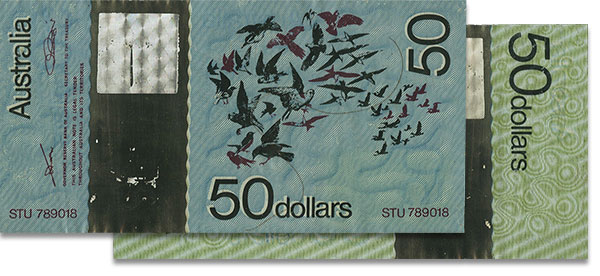
In earlier epochs, the tangible tang of salt, the allure of gold , and the inherent utility of cattle formed the first currencies. They were straightforward representations of worth; their value derived directly from their use or rarity.
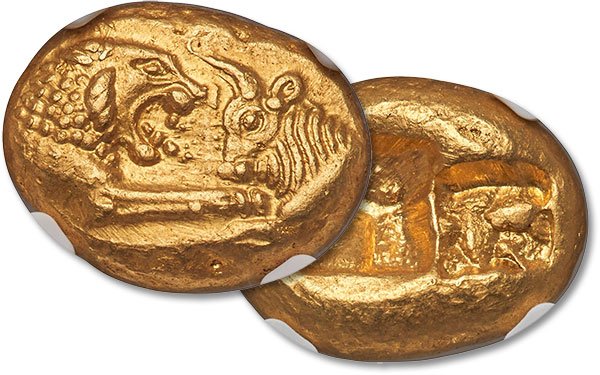
Next, came coinage, minted from precious metals. Coins represented a leap forward in standardising value, epitomised by the Lydian lion, widely accepted to be the world's first coined currency. The shift to coins meant that value could now be symbolized, opening paths to trade and commerce that carried the seeds of the economies we recognize today.
Paper currency, which followed in various parts of the world, further abstracted value. The shift from coins to notes signified another monumental move, detaching currency from an intrinsic worth to a value embossed upon pieces of paper or inscribed in ledgers. Yet, despite this shift, each currency bore the mark of central monetary authorities, a testament to their role in shaping the flow and dynamics of capital across the globe.
The onset of the 21st century heralded another paradigm shift, the advent of cryptocurrency. Bitcoin, the original cryptocurrency, combined cryptographic principles and peer-to-peer networking to birth a decentralized financial system, without the need for a central authority. This was an audacious reimagining of currency, transferring trust from institutions to complex algorithms and consensus networks.
Therefore, it is only natural evolution for numismatics to reveal treasures like the Casascius Coins, contemporary numismatic marvels that blend past and future in their innovative design. These coins, physical representations of Bitcoin, stand as testament to the ever-evolving nature of currency, constantly challenging its own conventions and boundaries. They relay the stirring narrative of a digital revolution that transcends geographical boundaries, disrupting traditional financial systems and shaping a new global economy. The Casascius Coins, much like their ancient counterparts, remain enduring symbols of their age, infusing technology with tradition to craft a mosaic of societal transformation imprinted on each coin's surface. Consequently, they are much more than just collector's items; they are the artifacts of our times, epitomizing the restless spirit of innovation that characterizes the digital era.
The story of currency, from antiquity to crypto, is far from over. Indeed, digital ledgers, blockchain technologies, and the continued evolution of technologies promise to introduce yet unimagined transformations to our understanding of money. Across the ages, while the form of currency may change, its central role does not: to serve as a medium of exchange, a store of value, and a unit of account that facilitates human interaction and progress. The saga of currency will undoubtedly continue to evolve, mirroring the dynamism and complexities of the societies that forge it.
Here at Heritage Auctions, we are indeed proud and deeply mindful of our role in the ongoing narrative of currency . With every item that passes through our hands and transitions to new custodians, we participate in the perpetuation and evolution of this remarkable trade system. Every auction we conduct, every piece of currency we present, harks back to a unique chapter of human history and corresponds forward into an exciting and uncharted future. It is our honour, and our pleasure, to offer our bidders an opportunity to partake in this remarkable journey alongside us. We invite you to join us, as we celebrate the past, cherish the present, and continuously strive to innovate for reaching forward to the evolving future of currency.